Faces You Didn't Order: When an AI Intimate Image Looks Like a Real Stranger
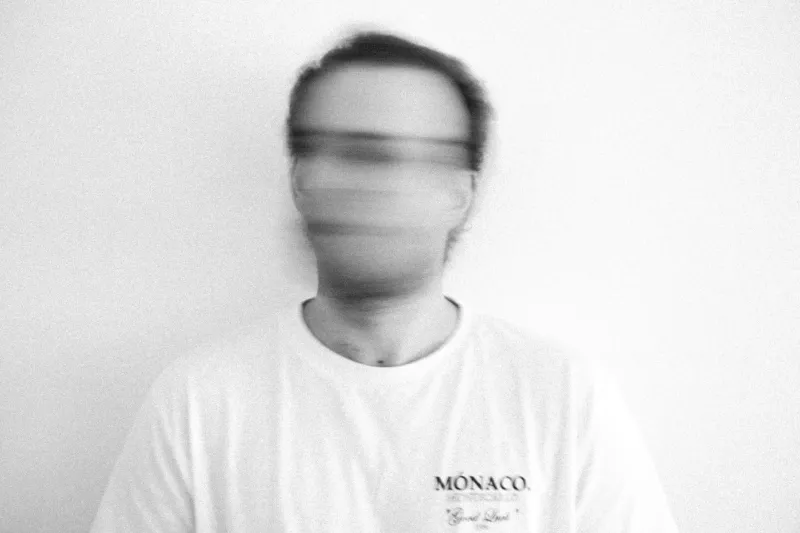
You upload a source photo, type a prompt, and wait for the render. Then the result pops up and your stomach drops — not because the image is bad, but because the face looks like someone real. A coworker. A barista. An ex. Maybe someone you have never met but swear you have seen before. Nobody asked the model to depict that person. It just happened.
That is the accidental lookalike problem, and it is baked into how these tools work. It is also the kind of thing that can turn a private experiment into a legal headache or a platform ban. Here is what is actually going on and how to keep it from happening to you.
Why the model fills in a familiar face
Image models do not invent faces from nothing. They assemble them from patterns learned during training, then nudge those patterns toward whatever your source photo and prompt imply. A few things push the output toward a recognizable likeness:
- The source photo does a lot of heavy lifting. Pose, head tilt, hairline, body shape, lighting, and skin tone all act as anchors. The model completes the rest by averaging similar faces it has seen. If your source photo already shares broad features with someone you know, the render can land uncomfortably close.
- Prompts are blunt instruments. Words like brunette, athletic, mid-30s, or office professional describe millions of people. The model picks a statistical middle ground, and that middle ground sometimes coincides with a public figure, a stock photo model, or someone from your own life.
- Training data leaves fingerprints. Popular faces, stock imagery, and widely shared photos can influence what the model considers a default. That is one reason AI nudes often look like they came from the same casting agency.
- Reference images bleed. If you upload multiple photos or use a face-reference feature, likeness transfers fast. Even a group photo with a bystander in the background can contaminate the result.
- Your brain is a likeness detector. Humans are wired to match faces, sometimes too well. A resemblance that feels obvious to you may be weaker to a stranger, but that does not make the risk disappear. Perception matters, especially when someone else sees the image.
The legal side: right of publicity and deepfake rules in 2026
This is where the uncomfortable moment becomes a real-world problem. US law does not treat likeness as a free-for-all, and the rules have gotten sharper as AI imagery has spread.
Right of publicity is a state-level doctrine that protects a person's name, image, and likeness from unauthorized use. It varies by state, but the core idea is consistent: you cannot use someone else's recognizable identity for your own benefit without permission. California and New York have long-standing statutes on the books, and Tennessee's ELVIS Act expanded protections to cover AI-generated likeness and voice. A likeness does not have to be a pixel-perfect match to trigger a claim. If an ordinary viewer recognizes the person, that can be enough. Damages, injunctions, and statutory penalties are all possible depending on the state.
Nonconsensual intimate imagery laws are the second layer. By 2026, nearly every state has some statute addressing intimate images shared without consent, and many explicitly cover AI-generated or altered depictions. The federal TAKE IT DOWN Act, signed in 2025, criminalizes publishing nonconsensual intimate imagery — including realistic AI deepfakes — and requires platforms to remove reported content within a set window. Those laws do not care whether you meant to depict a specific person. If the output resembles a real person and gets shared, you are in the danger zone.
Platform policy is the third layer. AIUndresser and similar platforms prohibit using real people's likeness without consent, and they ban minors and public figures outright. Violations can cost you credits, your account, or worse. Platforms are also required to respond to takedown requests, so a complaint from the person depicted can move quickly.
None of this is legal advice. It is a map of the risks. If you are dealing with a real dispute, talk to an attorney licensed in your state.
A pre-upload checklist for spotting lookalikes
The goal is not to make every image look generic. It is to avoid accidentally reproducing someone's face. Run through this before you hit generate:
- Use a source photo you have the rights to. If it is not yours and does not belong to a consenting adult, stop.
- Scrub the background. Crop out coworkers, bystanders, name tags, uniforms, and distinctive jewelry. Background details can anchor a likeness you did not intend.
- Write prompts that describe a category, not a person. Avoid combos that narrow to one individual, like a specific age, job, city, and hair color. Do not prompt for your ex or your neighbor.
- Skip face references of real people. Celebrity photos, social media pulls, and friends' selfies are the fastest route to a lookalike.
- Generate more than one variation. Look at the batch as a set. If one version resembles someone you know, regenerate or adjust the prompt.
- Get a second opinion. A fresh set of eyes catches resemblances you have gone blind to after staring at the screen.
- Save your provenance. Keep the prompt, seed, source image, and date. If a complaint ever lands, a record of how the image was made helps.
- Ask the obvious question. Would you be comfortable showing this image to the person it resembles? If the answer is no, do not upload it.
If it already happened
It happens. The important part is what you do next.
- Do not publish or share it. Delete the image from your device and any cloud storage. Clear the generation from your history if the platform allows it.
- If it is already posted, take it down immediately. Remove it from every platform you control, then use the site's reporting tools to request removal from anywhere it has spread.
- Preserve records. Screenshot timestamps, prompts, and removal requests. If the person depicted contacts you, having a clear record is better than a panicked explanation.
- Do not argue that it is just AI. Resemblance is enough for platform policy and, in many states, for legal exposure. A defensive response rarely helps.
- Talk to a lawyer if the person is upset or if money is involved. Right-of-publicity and deepfake claims can escalate quickly, especially in states with aggressive statutes.
The bottom line
Accidental likeness is not a glitch. It is a predictable outcome of how these models work. Treat every render as potentially public and potentially someone's face. Consent, caution, and a quick delete are boring habits, but they are the ones that keep AI intimate imagery from turning into someone else's problem — or yours.