Inside the Arms Race: How AI Image Platforms Are Trying to Keep Bad Actors Out
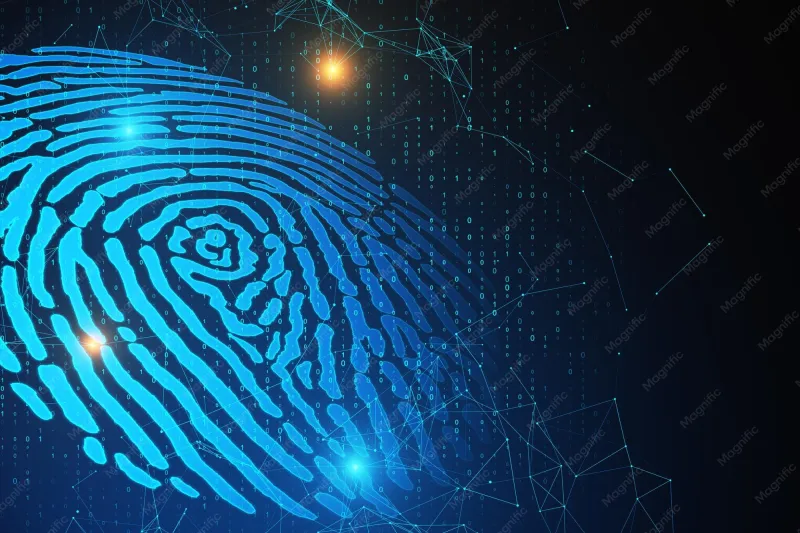
Photo: cybersecurity digital fingerprint technology concept dark blue, via img.freepik.com
Let's be honest about where we are. AI image tools have gone from party tricks to a full-blown industry in about three years, and not everyone using them has good intentions. The platforms that want to stick around — legally, ethically, and reputationally — have had to get serious about keeping bad actors out. Some are actually doing a decent job. Others are slapping a checkbox on the signup page and calling it a day.
Here's a breakdown of what the responsible end of the industry is building, where the cracks still are, and what you should expect from any platform worth your time (and your payment info).
Age Verification Is the First Gate — and the Weakest One
The baseline requirement for any adult-oriented platform in the US is age verification, and the methods range from surprisingly robust to laughably porous. The better services now use third-party verification providers that check a government ID against a live selfie, similar to what you'd see on established adult sites. It takes two minutes and creates a real friction point for minors and anonymous trolls alike.
The weaker version? A dropdown menu asking if you're 18. Everyone knows that's theater. If a platform you're considering uses nothing but an honor-system checkbox, treat that as a red flag about everything else they do — or don't do — behind the scenes.
Consent Checkpoints: More Than a Legal Fig Leaf
The most consequential design decision these platforms make is what happens before an image gets processed. The serious players have layered several mechanisms:
- Subject consent attestations, where users must affirm they have documented permission from the person in the photo — not just that the person is an adult.
- Face-matching checks on some platforms, comparing uploads against consent databases or requiring users to verify their own likeness for self-generated content.
- Upload screening that flags images of recognizable public figures, who are statistically the most common victims of non-consensual deepfakes.
- Hard blocks on certain source material, including images pulled from social media profiles that show hallmarks of scraped content.
Is this airtight? No. A determined liar can click through an attestation as easily as a terms-of-service agreement. But the architecture matters: platforms that log attestations, require payment (which creates a paper trail), and respond to abuse reports within hours are meaningfully harder to weaponize than anonymous free tools with crypto-only checkout.
Invisible Watermarks: The Digital Breadcrumbs
Here's where the technology gets genuinely interesting. Several major platforms now embed imperceptible watermarks directly into generated images — steganographic signatures woven into the pixel data that survive cropping, compression, and re-uploading to social platforms.
Think of it as a serial number baked into the image itself. If a manipulated photo ends up circulating on a forum or a group chat, forensic tools can trace it back to the service and often the account that created it. Some platforms pair this with visible C2PA-style provenance metadata, the content-credential standard now backed by Adobe, Google, and a growing list of tech giants.
The catch: watermarking only works as a deterrent if platforms actually cooperate with takedowns and law enforcement. The technology exists; the willingness to hand over account records when a victim comes calling varies widely. That's the part of the pipeline that regulation — like the federal TAKE IT DOWN Act signed in 2025, which criminalizes publishing non-consensual intimate imagery, including AI-generated — is starting to force into existence.
What Still Slips Through
An honest assessment has to acknowledge the gaps. Determined users route around verification with stolen IDs or VPNs. Free tools with no payment trail remain the weapon of choice for harassers. And enforcement is only as good as the report that triggers it — a victim in Ohio or Oregon has to know the image exists and which platform produced it before anything happens.
There's also the offshoring problem. US-based platforms face real legal exposure; servers in jurisdictions with no comparable laws face none. The industry's clean-up effort only extends as far as its reach.
What Users Should Demand
If you're an adult using these tools — for yourself, with a partner, whatever your situation — the calculus is simple. Platforms that verify identity, require payment, watermark output, and publish clear abuse-reporting channels are the ones building a future. The anonymous free-site ecosystem isn't just legally riskier for you under state laws like those in California, Virginia, and Texas; it's the ecosystem where the worst abuse lives.
The industry is at a fork. One path leads to legitimacy: verified users, traceable content, real consequences for misuse. The other leads to the kind of regulatory hammer that takes the whole thing down. The platforms investing in consent infrastructure have made their choice. The question is whether the rest follow — or get dragged.