The Legal Landscape of AI Intimate Imagery: What Every American Should Understand in 2026
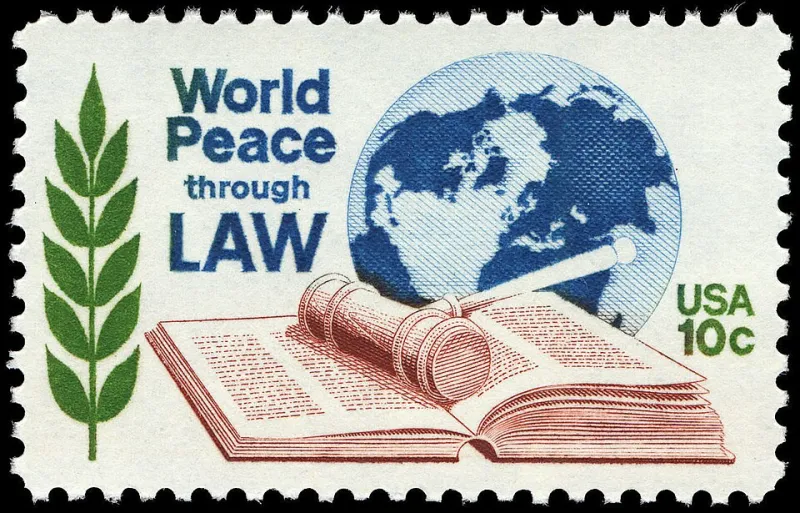
Photo: Bureau of Engraving and Printing. Designed by Melbourne Brindle., Public domain, via Wikimedia Commons
Not long ago, the phrase "deepfake law" would have drawn blank stares in most statehouses. Today, it's the subject of federal legislation, dozens of state statutes, and a genuinely national conversation about consent, technology, and privacy. If you're an adult who's curious about AI image tools — or already uses them — understanding the legal terrain isn't optional anymore. It's basic literacy.
The Federal Milestone: The TAKE IT DOWN Act
Signed into law in May 2025, the TAKE IT DOWN Act represents the most significant federal move yet on non-consensual intimate imagery, whether real or AI-generated. The law criminalizes the publication of non-consensual intimate depictions — including "digital forgeries" created with AI — and perhaps just as importantly, requires platforms to remove reported content within 48 hours.
The key word throughout the statute is consent. Depicting a real, identifiable person in intimate imagery without their permission is now squarely illegal at the federal level. Penalties scale with aggravating factors, and the law doesn't distinguish between a photo taken with a hidden camera and one synthesized by a neural network. If the person didn't consent, the content doesn't get a pass because it's "just AI."
A Patchwork of State Laws
Long before Congress acted, states were building their own frameworks. By 2025, the majority of US states have some form of law addressing non-consensual intimate imagery or deepfakes, though the details vary considerably:
- California has been aggressive, with multiple statutes covering both criminal liability and civil remedies for victims, plus specific provisions around deepfake pornography.
- Virginia, Texas, and Florida were early movers, criminalizing the distribution of altered intimate content.
- New York expanded its revenge porn statutes to explicitly include AI-generated depictions.
- Illinois has focused on protecting minors, with strict liability for any sexualized depiction of someone under 18 — no exceptions, no "I didn't know they were a minor" defenses.
The practical upshot: where you live matters, and the trend line is unmistakable. Every legislative session brings new bills, and they're almost all moving in the same direction — toward stricter consent requirements and heavier penalties.
What This Means for Legal, Consensual Use
Here's the part that often gets lost in the headlines: the law, broadly speaking, targets non-consensual content. Adults working with their own images, or with the explicit permission of another adult, occupy very different legal territory than bad actors targeting exes, celebrities, or strangers.
That said, a few caveats deserve attention:
- Depicting real people without consent is the bright line. Even if a state law is ambiguous, federal law isn't anymore. Don't use someone's likeness without their clear permission.
- Public figures aren't fair game. A handful of states have specific provisions about celebrities and public officials, and the right-of-publicity laws in states like California add civil exposure on top of criminal risk.
- Minors are an absolute prohibition. Any sexualized depiction of a minor — even a fully AI-generated one — implicates federal child exploitation statutes. There is no gray area here.
- Platform terms matter too. Even where the law permits something, the terms of service of the tools and platforms you use may be stricter.
The Consent Conversation Is Evolving
Beyond statutes, there's a cultural shift underway. Legal scholars talk about "digital consent" as an emerging norm — the idea that your likeness is something you control, full stop. Some states have begun exploring likeness licensing laws that treat your face and voice as a kind of property right, particularly in the wake of high-profile cases involving AI voice cloning and celebrity deepfakes.
For individual users, the practical translation is simple: treat another person's image the way you'd want yours treated. If you're in a relationship and both partners are on board with experimenting with AI imagery of each other, that's consent. Screenshotting a coworker's Instagram and running it through a tool without their knowledge? That's not consent — and in 2026, it's also very likely a crime.
Enforcement Is Getting Real
It's worth understanding that enforcement has moved past the theoretical. The FTC has brought actions against services that failed to verify ages or that marketed themselves toward creating imagery of real people. Prosecutors in several states have secured convictions under deepfake statutes. And the 48-hour takedown requirement in the TAKE IT DOWN Act gives victims a genuine remedy — platforms that ignore valid reports now face regulatory consequences of their own.
The Bottom Line
The legal environment for AI-generated imagery in 2026 is defined by one principle: consent is the dividing line between lawful adult use and serious criminal liability. The technology itself isn't illegal. Targeting people without their permission is.
If you're an adult exploring these tools, the responsible path is straightforward — use your own images, get explicit permission for anyone else's, verify ages, and stick with services that take consent and age verification seriously. The law is catching up to the technology. Your common sense should stay ahead of both.